Caught in Transit: Scientists Map the Hepatitis B Virus Entry Mechanism
Source PublicationCell
Primary AuthorsLi, Wang, Xiong et al.
Imagine a home invader who tricks your front-door security to get inside, but then needs a corrupt butler to guide them through the dark corridors straight to the master bedroom.
These results were observed under controlled laboratory conditions, so real-world performance may differ.
This is how the Hepatitis B virus (HBV) operates. While scientists knew how the virus passes the cell's outer wall, the rest of the Hepatitis B virus entry mechanism—how it travels through the cell's interior to reach the nucleus—remained a mystery.
Mapping the Hepatitis B Virus Entry Mechanism
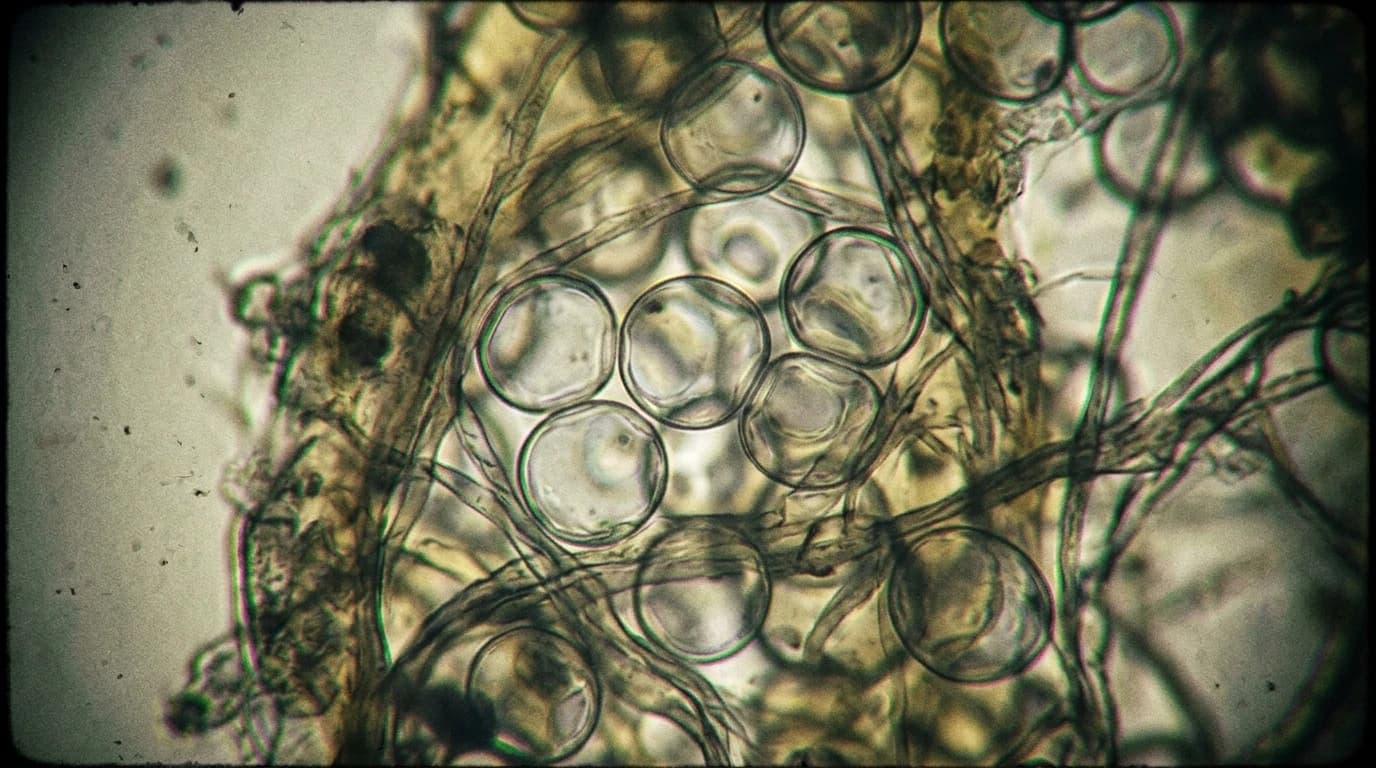
Now, researchers have identified the cellular accomplice. A new lab study reveals that a protein called SCARF2 acts as an intracellular courier. Once HBV sneaks past the cell membrane, SCARF2 binds to the virus and transports it inside bubble-like compartments called endosomes.
The researchers measured specific molecular steps during this process:
- SCARF2 binds to a specific region on the viral envelope.
- The virus travels inside SCARF2-containing bubbles to the edge of the nucleus.
- Silencing SCARF2 traps the virus, preventing its core from escaping.
This suggests that SCARF2 is essential for delivering the virus to the nuclear pores. Without this internal helper, the virus cannot deposit its genetic material to replicate.
A New Target for Therapy
This discovery could change how we design antiviral drugs. Instead of only defending the cell's outer wall, scientists might now develop therapies to block this internal transport system. Disrupting the SCARF2 pathway may freeze the virus in transit, preventing chronic infection before it starts.