Catching Toxic Metals With Glowing Carbon Dots
Source PublicationNanotechnology
Primary AuthorsMathew, Paul, T. P.
Imagine a highly organised team of tiny, glowing security guards patrolling a reservoir. When an unwanted intruder—like a toxic heavy metal—sneaks past, the guards instantly switch off their torches to signal a breach.
These results were observed under controlled laboratory conditions, so real-world performance may differ.
This is the basic premise behind Carbon Dots, a fascinating class of nanomaterials that glow brightly under specific light conditions.
On their own, these microscopic carbon specks are excellent chemical detectors. They possess brilliant fluorescence, high water solubility, and remarkably low toxicity.
The Trouble With Floating Sensors
Despite their impressive traits, free-floating dots have a major weakness. If you simply drop them into a liquid sample, they tend to clump together or wash away entirely.
To effectively monitor water for heavy metals, engineers need simple, cost-effective, and stable sensors that are easy to handle.
This review paper examines a clever physical workaround to keep these tiny detectors strictly in line.
How Carbon Dots Team Up With Polymers
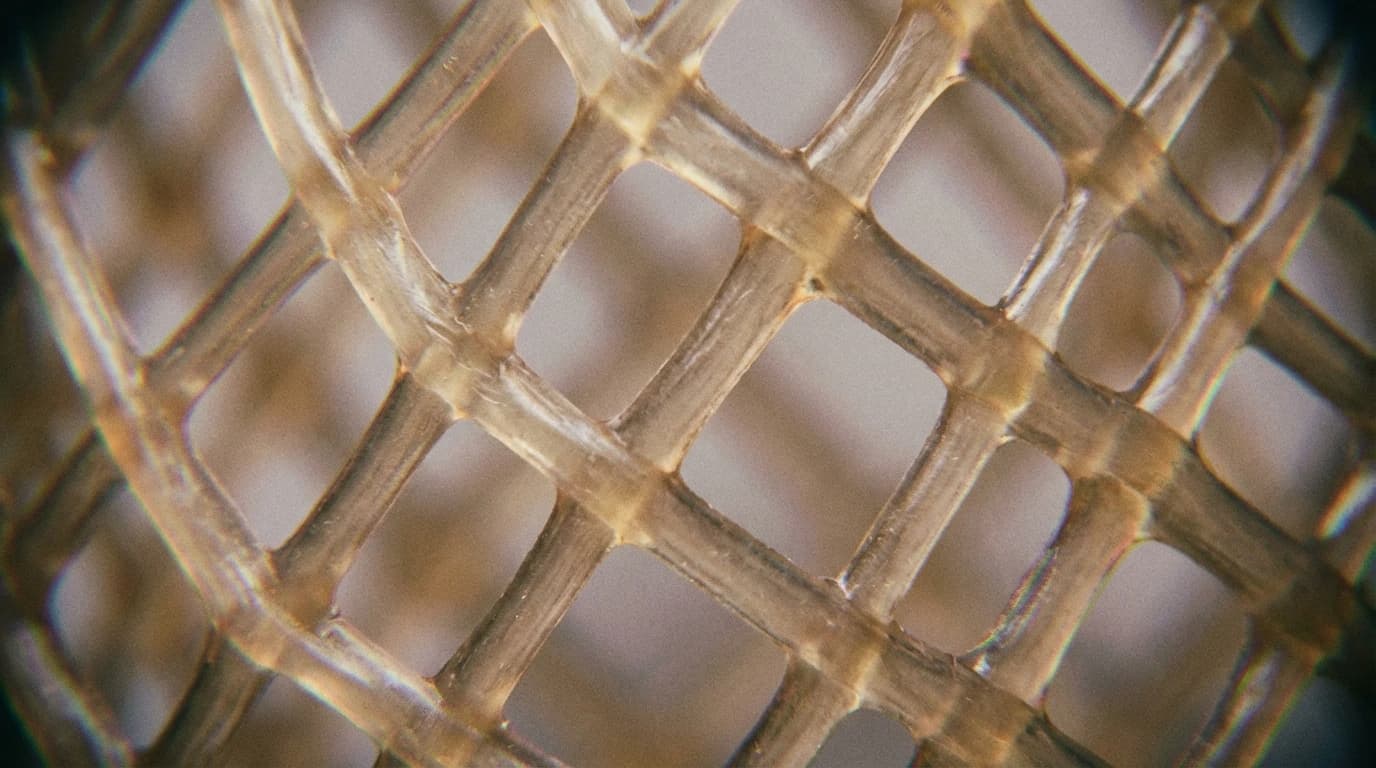
Researchers are trapping these glowing particles inside polymer matrices. Think of the polymer as a sturdy chain-link fence, and the dots as the security guards strapped securely to the mesh.
By embedding the carbon nanomaterials into plastics or resins, scientists lock them firmly in place. This prevents the particles from clumping, vastly improving their dispersion and chemical stability.
When contaminated water flows over this composite material, the heavy metal ions interact directly with the trapped dots.
The sensing mechanism works through a few distinct steps:
- The polymer matrix evenly spaces out the dots, maximising their surface exposure to the water.
- Heavy metal ions interact directly with the trapped carbon nanomaterials.
- This interaction instantly alters or extinguishes the natural fluorescent glow of the dots.
A Future of Reusable Water Monitors
Because the particles are physically anchored inside a solid polymer, the entire sensor is incredibly easy to handle. You can pull the material out of the water, wash off the heavy metals, and use it again.
While these composite sensors are primarily being evaluated in laboratory settings, the results suggest a highly practical application. This composite strategy could replace fragile testing methods with durable, cost-effective materials.
We might soon see convenient, reusable sensing platforms distributed for environmental monitoring. You could simply immerse these stable materials into a water sample, check the fluorescence, and watch the glow change to detect invisible poisons.
By combining the brilliant optical properties of carbon with the tough structure of polymers, engineers may soon provide a highly effective way to keep our water supplies safe.