Can We Reverse High-Fat Diet Damage? Intermittent Fasting, Cognitive Decline, and the Brain's Night-Shift Cleaning Crew
Source PublicationScientific Reports
Primary AuthorsAref, Hadhod, Mahran et al.
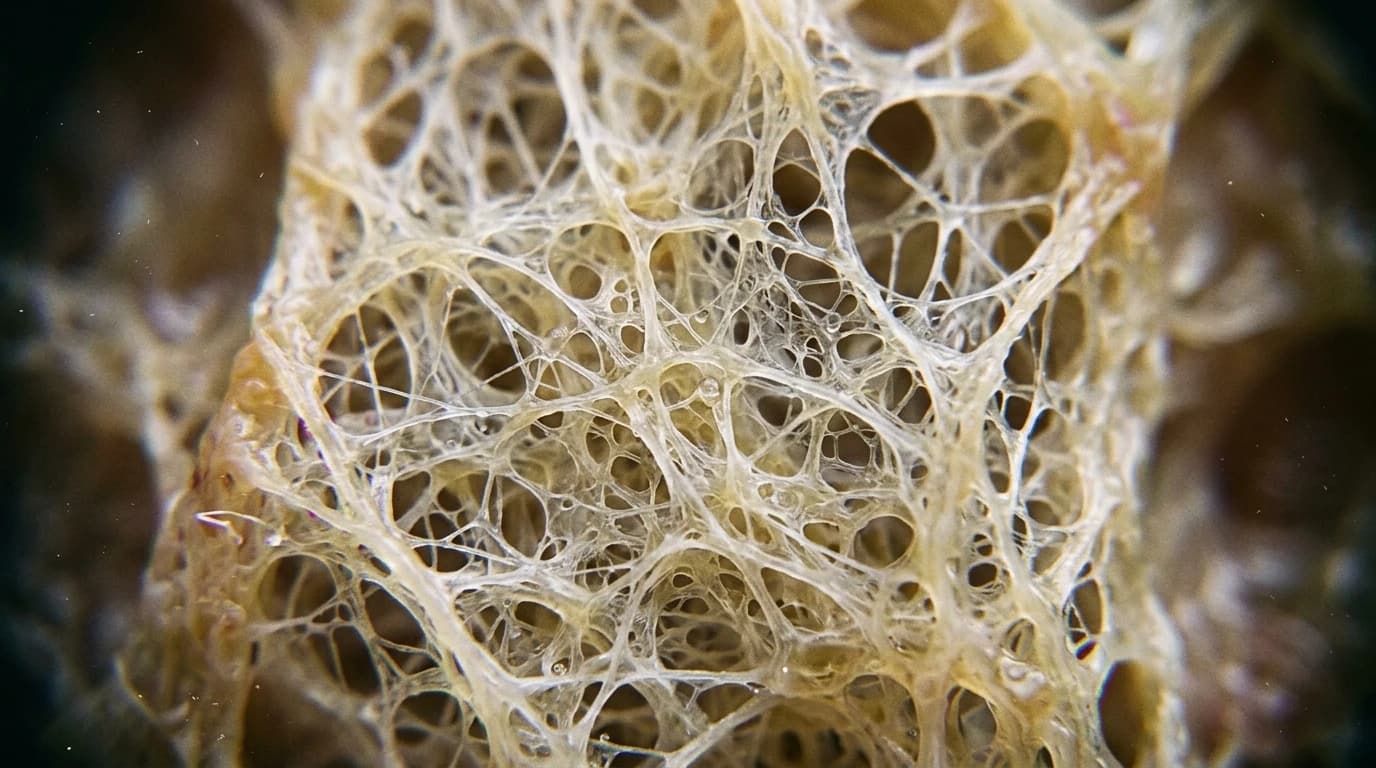
Imagine your brain is a busy restaurant kitchen. If the staff never stops to throw out the rubbish, grease piles up and operations grind to a halt. To prevent this, your brain relies on a cellular recycling crew called autophagy to clean up toxic waste.
A high-fat diet can stall this clean-up crew, leaving brain cells cluttered. This metabolic disruption is linked to memory issues, sparking interest in the relationship between intermittent fasting, cognitive decline, and metabolic health.
The Cellular Clean-Up Crew
In a recent rodent study, researchers analysed obese rats to see if a fasting programme could restart this internal waste disposal system. They measured cognitive performance, brain tissue changes, and genetic markers of inflammation.
The study measured several key biological changes in the fasting obese rats:
- Increased levels of BDNF, a protein that supports neuron survival.
- Upregulated LC3 and ATG5 genes, which drive cellular recycling.
- Significantly decreased brain inflammation and improved tissue structure.
Intermittent Fasting, Cognitive Decline, and the Brain's Defense
The results suggest that fasting may protect the nervous system from high-fat diet damage by restoring the brain's self-cleaning cycle. By giving the gut a rest, we might help the brain clear out harmful proteins before they cause lasting damage.
Because this study was conducted in rats, we cannot assume the exact same molecular triggers occur in humans. However, it suggests a promising lifestyle strategy to help keep our mental kitchens clean as we age.