Brain Traffic Jams: What Happens After paediatric Posterior Fossa Surgery
Source PublicationChild's Nervous System
Primary AuthorsZhu, Hu, Zhai et al.
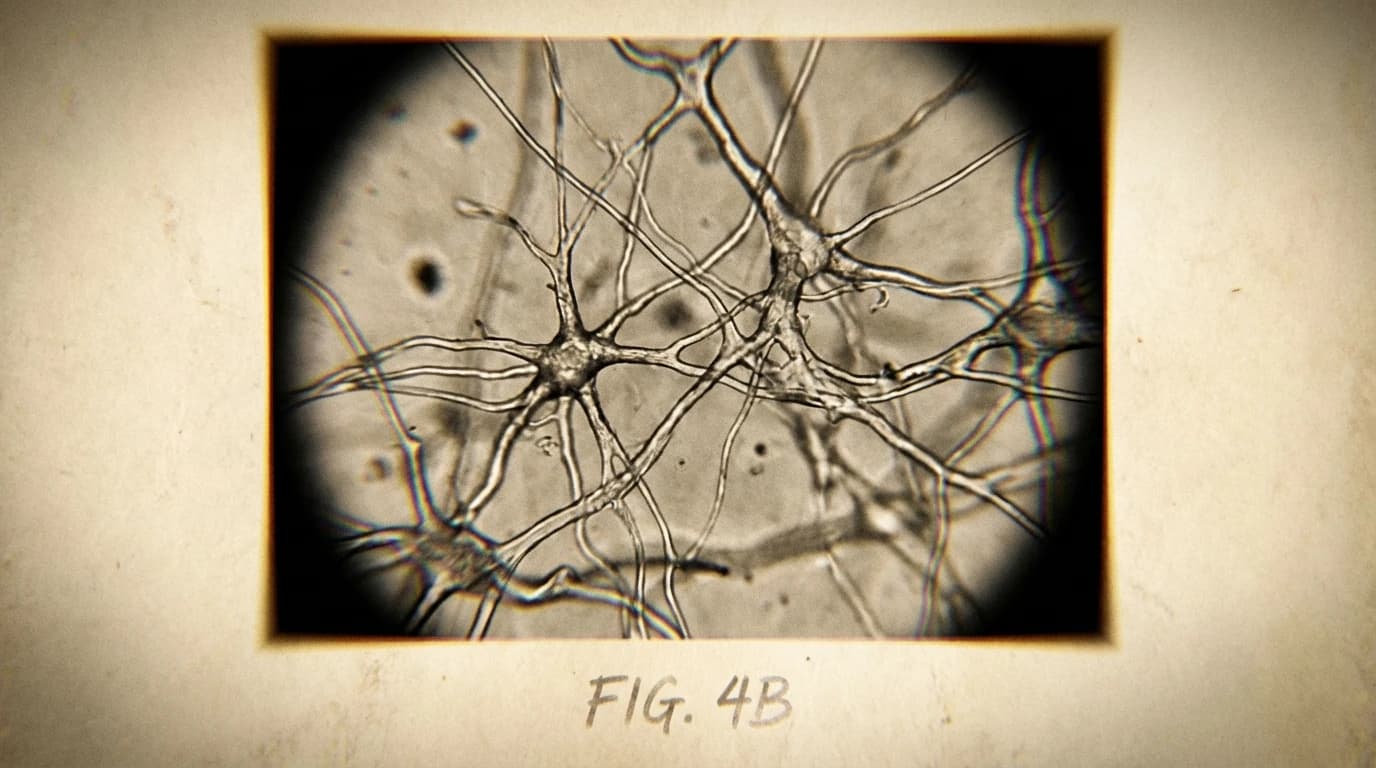
The Hook: When the Brain's Traffic Control Goes Offline
Imagine a busy city's central traffic control room suddenly goes offline for maintenance. The city does not shut down.
These results were observed under controlled laboratory conditions, so real-world performance may differ.
Instead, local traffic wardens step in, frantically rerouting buses and cars down narrow side streets. This keeps the city moving, but the detours are not perfect.
You still get to work, but the commute takes longer, and the new routes are messy and uncoordinated.
The Context: paediatric Posterior Fossa Surgery
This traffic jam is a lot like what happens in a child's brain following paediatric posterior fossa surgery. The posterior fossa is a small space near the base of the skull.
It houses the cerebellum, which acts as the brain's main coordination centre. When children have surgery to remove growths in this area, the cerebellum often sustains mild damage.
Until now, scientists were not entirely sure how the rest of the brain adapted to this isolated injury.
The Discovery: Rerouting the Brain's Networks
Researchers recently looked at 12 children recovering from this surgery, comparing them to 13 healthy peers. They measured brain activity using resting-state fMRI scans and ran a battery of computerised tests.
The researchers measured three main things during the study:
- General cognitive performance across multiple domains.
- Motor speed and psychomotor reaction times.
- Resting-state brain network connectivity and regional activity.
The results were surprising. The children's general cognitive abilities, like memory and attention, remained mostly intact.
However, the surgery group scored lower on motor speed and psychomotor tasks. Their physical reaction times were demonstrably slower.
The brain scans showed exactly why. The researchers measured increased activity and altered connections in the upper parts of the brain, known as the cortex.
The brain was trying to reroute signals around the damaged cerebellum. However, this new wiring was negatively associated with motor test scores.
The Impact: Understanding Inefficient Detours
These findings suggest that the brain's attempt to rewire itself is not always a smooth, helpful process. Instead of a clean backup system, the brain creates inefficient detours.
The extra cortical activity may actually reflect disorganised networks rather than a perfect, compensatory fix. It is a messy workaround.
Understanding this reorganisation could help doctors design better physical therapy programmes. Future research might show us how to train the brain to build faster, more efficient routes after surgery.