Brain cellular energetics: How our minds power the processing of sight and meaning
Source PublicationScientific Publication
Primary AuthorsLu, Wang
"Think of the brain like a massive post office. The loading bay quickly sorts packages by size and colour using short bursts of energy. Deep inside, the appraisal office needs a massive, constant power supply to research and understand the value of every single item."
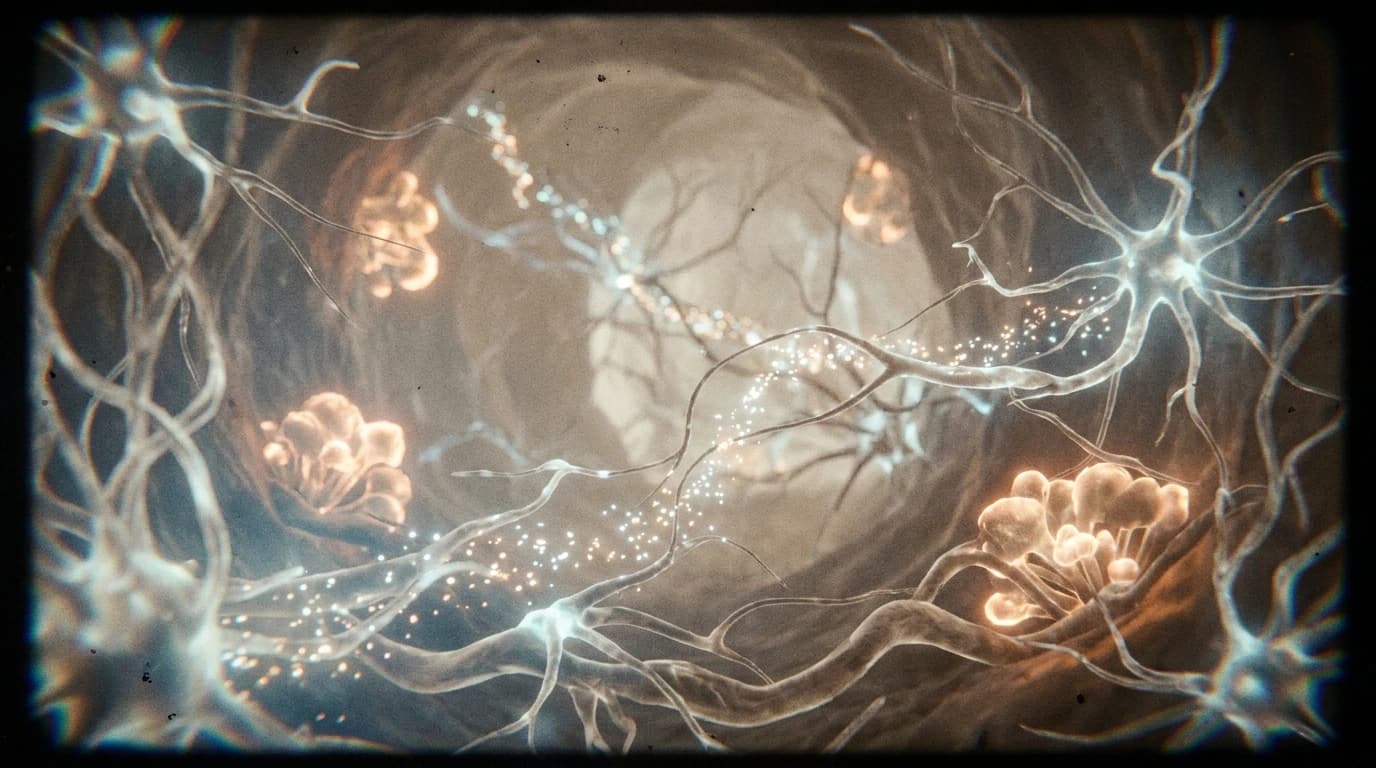
Brain cellular energetics: The factory floor of the mind
Imagine a massive sorting facility. At the front, you have the loading bay. Workers here quickly sort incoming boxes by size and colour. They move fast. They work in short, rapid bursts. Because their job is quick and reactive, they do not need a massive, constant power supply. Deep inside the facility, you have the appraisal centre. Workers here open the boxes to figure out what the items mean and how they connect to the wider world. This deep analysis requires heavy-duty computers running constantly. If you look at the power grid, then you will see the loading bay uses basic wiring, but the appraisal centre needs a massive, steady energy supply.
What the scientists measured
This factory is exactly how your brain works. For a long time, scientists did not fully understand brain cellular energetics. They knew the brain used a lot of energy, but they did not know how that energy was distributed for different tasks. In a recent study, researchers used powerful brain scanners to watch people look at pictures of natural scenes. They separated the brain activity into two distinct buckets. The first bucket was visual processing. This deals with basic shapes, lines, and colours. The second bucket was semantic processing. This deals with meaning, like recognising that a brown shape is a dog. The scientists then compared this brain activity to detailed postmortem maps of brain tissue to see where the cellular power plants, called mitochondria, were located.
Different tasks require different power grids
The results were fascinating. The researchers found a clear split in how the brain powers itself. The brain areas responsible for basic visual processing had a lower density of mitochondria. Just like the loading bay, these areas seem to rely on different energy programmes that do not need as many steady power plants. On the other hand, the areas responsible for deep semantic meaning had a much higher density of mitochondria. If a brain region is tasked with understanding complex concepts, then it needs a robust, constant supply of energy to keep its networks running. The study also looked at genetics. They measured the genetic instructions in these areas. The genes active in the visual areas promoted completely different energy setups compared to the genes active in the meaning areas.
What this suggests for human biology
This research measured blood flow in the brains of subjects viewing scenes and mapped it against postmortem genetic atlases. It suggests that our brains literally build different types of power grids depending on the job at hand. By mapping out these energy grids, scientists have finally demonstrated how the microscopic biology of our cortex aligns with the abstract information it handles. If we process a complex, meaningful idea, then that action physically demands a stronger, steadier power supply than simply seeing a shape. The way we process the world is directly tied to the microscopic power plants humming inside our heads.