Beyond Weight Loss: How GLP-1 Drugs Could Improve paediatric MASLD
Source PublicationMDPI AG
Primary AuthorsFindling, Bissoondial, Narayan
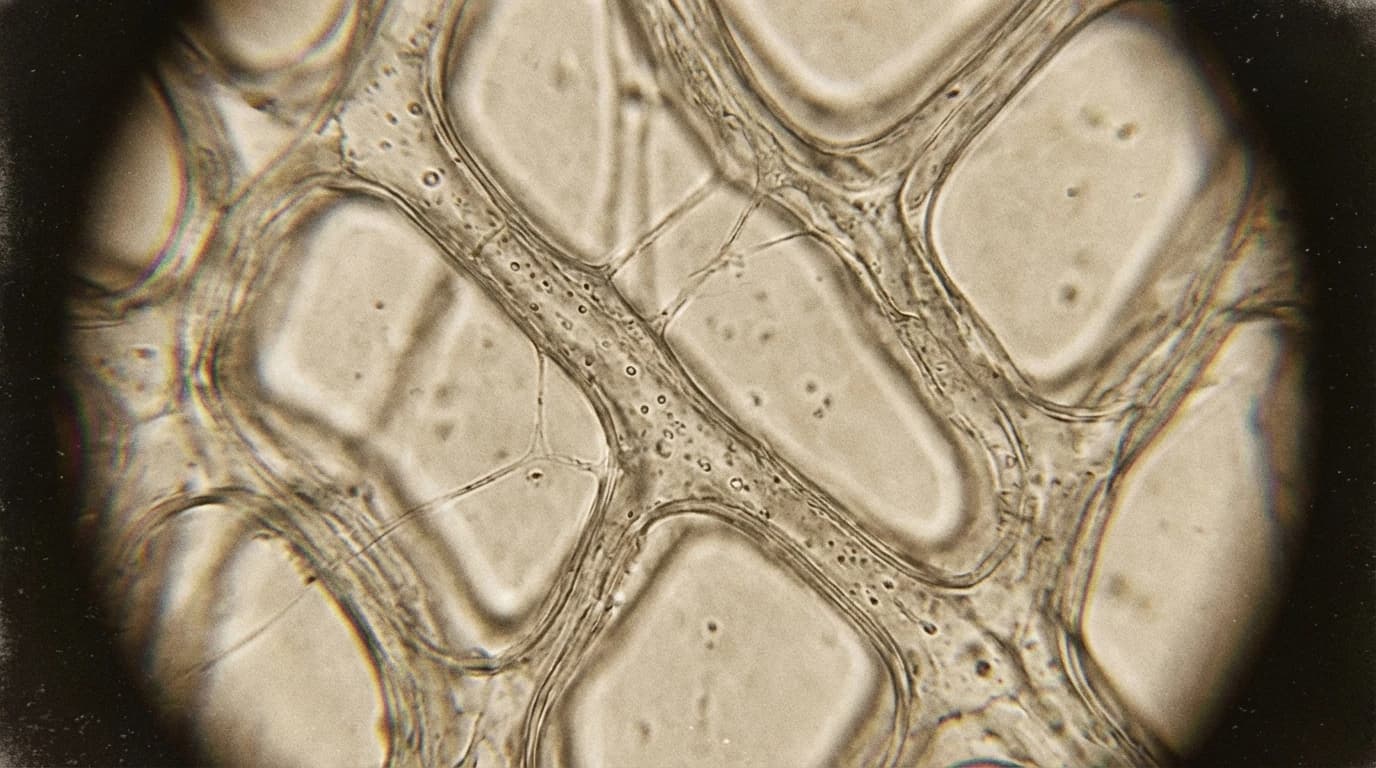
The Trajectory of paediatric MASLD
Metabolic dysfunction-associated steatotic liver disease (paediatric MASLD) is the most common chronic liver condition in children. It is closely linked to rising rates of childhood obesity and insulin resistance across the globe.
These results were observed under controlled laboratory conditions, so real-world performance may differ.
Without effective medical interventions, early-stage liver fat accumulation can advance to severe stiffness and inflammation. The medical community is increasingly looking for pharmacological tools that directly address the underlying tissue damage.
Now, an integrated clinical and genetic analysis demonstrates that GLP-1 receptor agonists might directly interrupt the biological mechanisms driving the condition.
The Discovery: Measuring Liver Improvements
The study tracked seven young patients receiving GLP-1 medications, measuring their liver health over time using ultrasound scans. Although the cohort was very small, the physiological responses were clear and consistent.
Clinicians observed significant reductions across three key metrics:
- Controlled attenuation parameter scores, indicating a decrease in hepatic fat accumulation.
- Transient elastography scores, which point to reduced liver stiffness.
- AST levels, reflecting a calmer overall inflammatory profile within the organ.
To understand the potential mechanisms underlying these observations, the research team analysed transcriptomic datasets from methionine-choline deficient and high-fat diet mouse models of liver disease.
They identified a core set of ten genes that are typically highly active during liver damage. Following GLP-1 treatment in the high-fat diet model, these specific genes were consistently downregulated. This genetic suppression correlates with an attenuation of extracellular matrix remodelling and fibrogenic pathways.
The Next Decade: Targeting Cellular Pathways
The genetic data suggests that GLP-1 drugs do more than simply promote weight loss or improve insulin sensitivity. They appear to attenuate the cellular programmes responsible for tissue scarring and chronic inflammation.
Over the coming years, this dual-action capability could inspire a shift in hepatology research. By targeting the activation of hepatic stellate cells—the primary drivers of liver fibrosis—these therapies offer a highly specific biological intervention.
While the current evidence is limited by the small human cohort and specific mouse models, it provides a strong foundation for further investigation. Future clinical trials over the next five to ten years will need to confirm if these early improvements hold true across larger populations.
The trajectory of liver disease research is moving towards targeted attenuation of fibrogenic transcriptional programmes. This study provides a clear biological rationale for investigating GLP-1 receptor agonists as a direct therapeutic strategy, rather than simply treating the surrounding metabolic symptoms and hoping for the best.