Beyond the Glue: How **Astrocyte Function** Challenges the fMRI Status Quo
Source PublicationNeuroscience Bulletin
Primary AuthorsLiu, Wang, Lou et al.
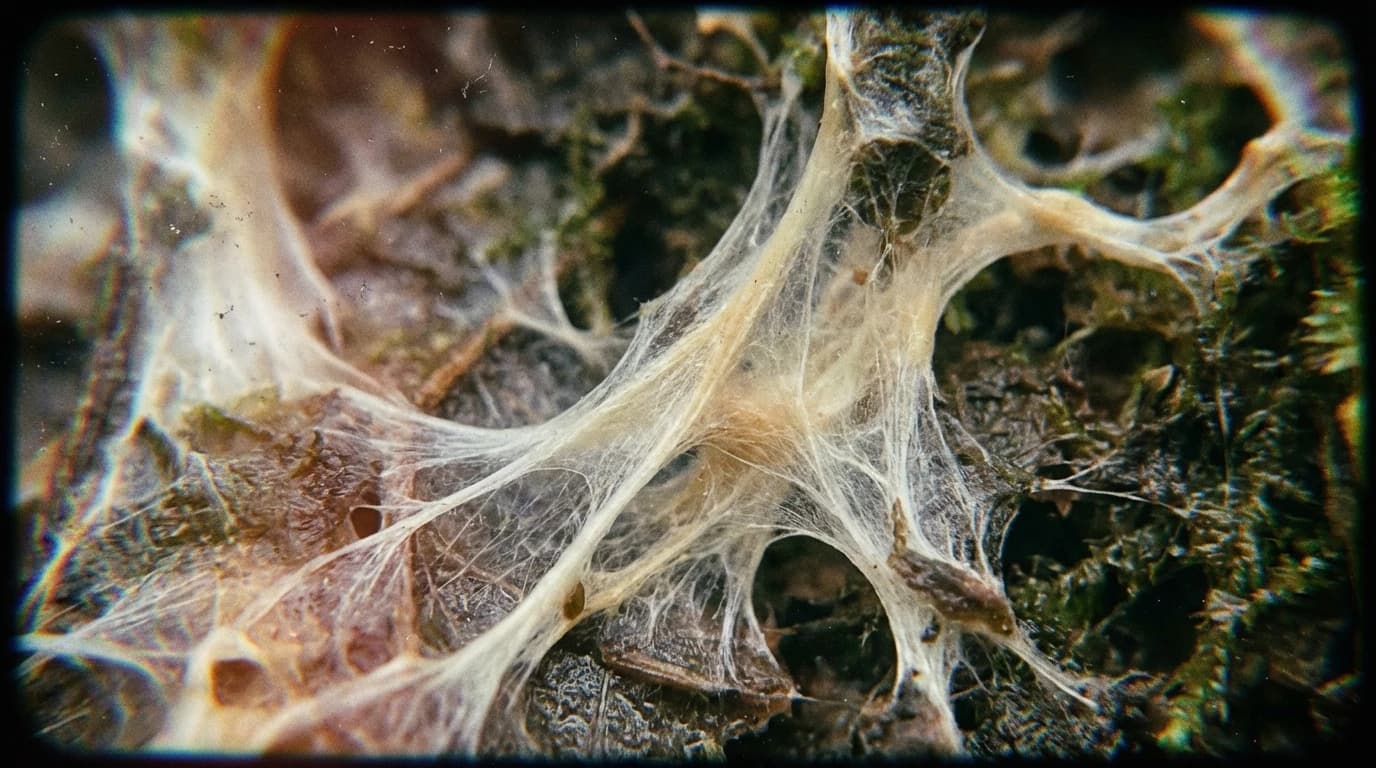
Imagine a city viewed from space at night. You track the flow of traffic to understand the economy below. You assume every car is driven by a worker, and that where the lights shine brightest, the work is hardest. If the cars stop, the work stops. This has been our map of the human brain for decades. We monitored the blood flow—the traffic—and assumed it was solely the work of neurons, the 'thinking' cells. We ignored the infrastructure. The roads. The signals. We called them 'glia'—Greek for glue. We treated them as inert packing material, a passive emptiness in our understanding simply because they refused to speak in the electric language we monitored. This silence was misleading. It allowed a dogma to take root: that the brain’s energy map was a direct reflection of neuronal firing. We built our theories on this correlation. We were wrong. The glue is alive.
Researchers have now breached this quiet wall. By fusing chemogenetics with optogenetics—using drugs and laser light to control cellular switches—combined with functional magnetic resonance imaging (fMRI), they forced the silent majority to speak. The team focused on the prefrontal cortex, a region essential for complex behaviour. They wanted to know if kicking the 'glue' would make the brain shout, or if the astrocytes would remain the passive spectators history claimed them to be.
Separating **astrocyte function** from neuronal noise
The measurements were stark. When the team used lasers to stimulate these star-shaped cells, the local electrical fields surged with energy. Specifically, the researchers observed significant increases in Theta and Delta frequency bands. This was not random static; it was a specific, directed response, showing that these cells can modulate the rhythm of the local network. But the true plot twist arrived when the team systematically dismantled the old assumptions.
They used chemogenetics to inhibit the neurons, effectively silencing the actors on the stage. Logic dictated that if neurons drive the blood flow (the BOLD signal), the lights should go out. They did not. Even with neuronal activity suppressed, optogenetic reactivation of the astrocytes continued to evoke strong BOLD responses. This suggests that astrocyte function is far more commanding than previously believed. These cells appear to control cerebral blood flow and metabolism directly, independent of the neurons they support. We may have been reading our brain maps backward, attributing every blip of oxygenated blood to a neuronal thought, when it might have been the independent work of the astrocytes all along.