Beyond Mould: How CRISPR-Cas9 in Fungi Signals a New Era for Biotechnology
Source PublicationJournal of Applied Microbiology
Primary AuthorsBoubakri
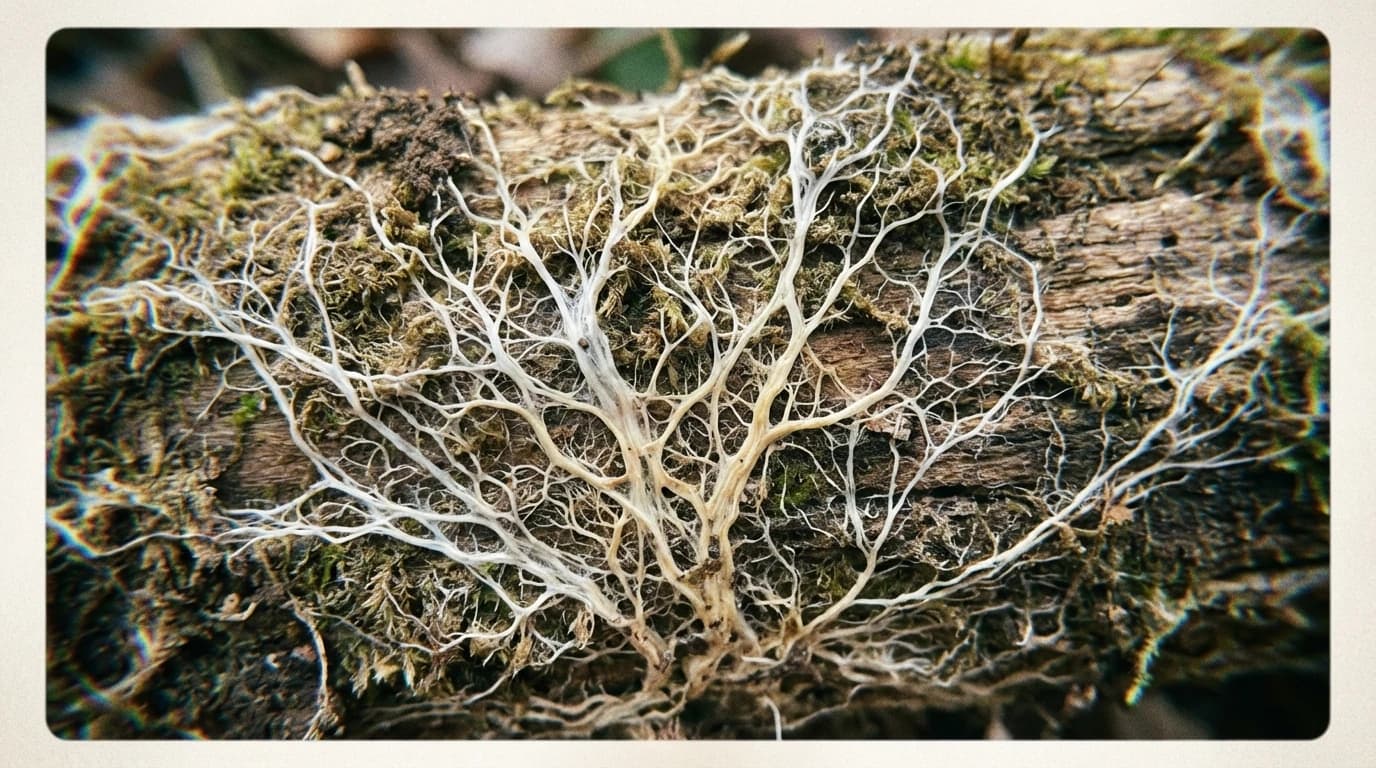
For too long, the immense potential of the fungal kingdom has been locked behind a wall of genetic complexity. While bacteria have been relatively easy to manipulate, fungi—with their intricate cellular machinery—have remained stubborn. We have relied on them for fermentation and food, but we haven't truly controlled them. That era of blunt-force biology is ending.
These results were observed under controlled laboratory conditions, so real-world performance may differ.
Enter the latest advancements in gene editing. A recent review details how the implementation of CRISPR-Cas9 in fungi is rapidly maturing from a lab-bench novelty into a robust platform for biological engineering. The authors note that this system now enables precise modifications across various fungal species, a capability that promises to redefine the bio-economy.
CRISPR-Cas9 in fungi: From agriculture to bio-factories
The study highlights that researchers have successfully engineered filamentous fungi to function as bio-factories. These organisms are now being programmed to churn out secondary metabolites—complex chemical compounds that serve as the raw materials for a host of industrial and pharmaceutical applications. Additionally, the review reports that CRISPR-Cas9-edited non-pathogenic antagonists are proving effective for biocontrol, offering a chemical-free method to protect crops from disease. These are the measured successes. They are tangible.
However, the implications extend beyond industrial efficiency. The trajectory of this technology points toward a radical shift in how we approach food security and sustainable manufacturing.
Designing the future of food
This is where the future gets interesting. We are moving from merely harvesting fungi to designing them. The review notes that the CRISPR-Cas9 system is already being used to improve the quality of several edible fungi. By systematically editing genes, researchers can enhance nutritional profiles or texture, effectively customising the food supply at the molecular level.
If we can master CRISPR-Cas9 in fungi, we gain a high-fidelity toolkit for the next generation of agriculture. We could use these models not just to grow food, but to create resilient strains that withstand a changing climate. The technology allows for high-throughput modification of specific traits, bypassing years of traditional breeding.
The review admits that challenges remain, specifically regarding the optimisation of these protocols for different species. Yet, the path is clear. We are moving towards a time where the humble fungus serves not just as a pizza topping, but as a programmable chassis for a sustainable future.