Are Mixed Beech-Oak Forests the Secret to Surviving Droughts?
Source PublicationScientific Publication
Primary AuthorsDeluigi, Bachofen, Bauhus et al.
"Imagine putting together a football team. You might think combining a star striker (oak) with a brilliant defender (beech) guarantees a win. But if they do not practise together on the right pitch and with a good coach, they might still lose the match."
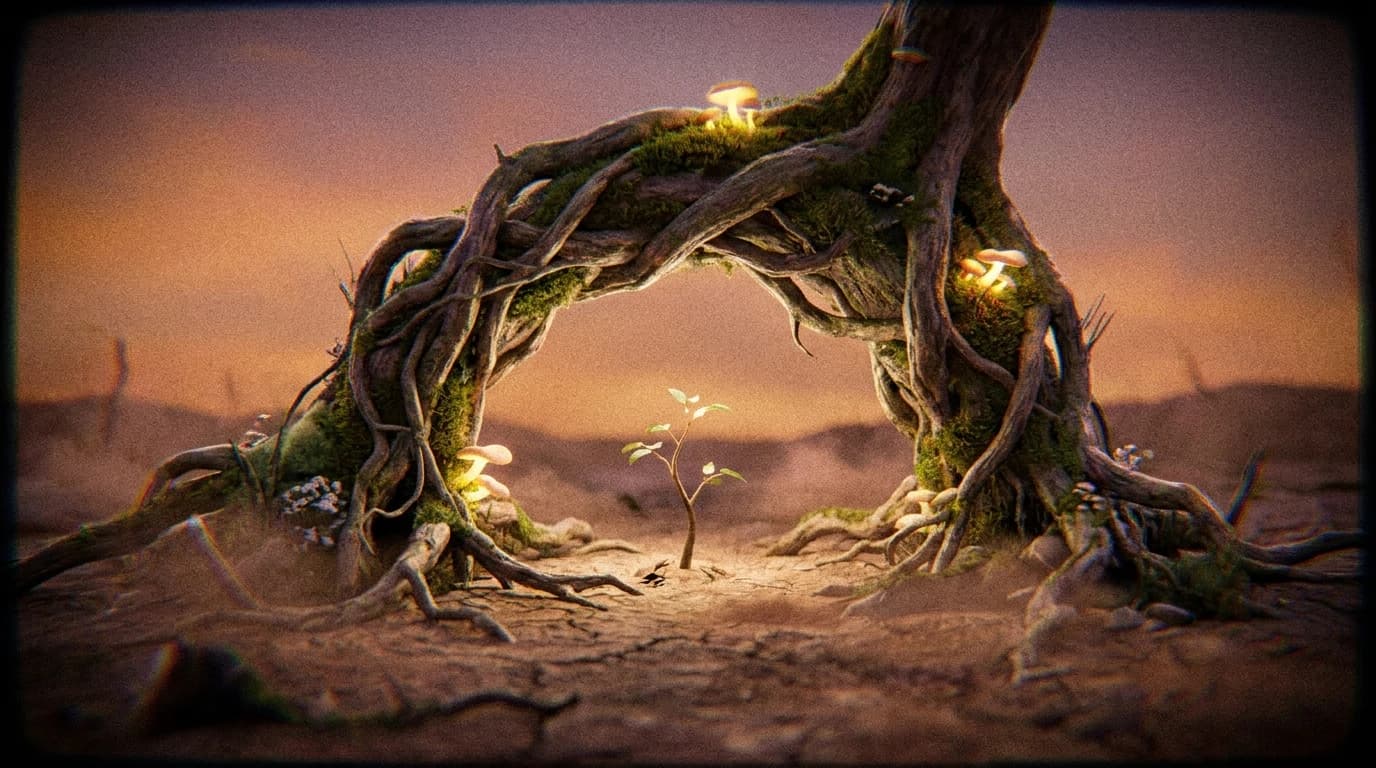
Have you ever tried to build a successful sports team? You cannot just put all the best players on the pitch and expect them to win without a good plan. Trees in a woodland environment are surprisingly similar. When the weather gets tough, they need the right teammates and a solid strategy to survive.
Across Europe, woodlands are feeling the heat. Extremely hot droughts are putting massive stress on our natural habitats, making it harder for trees to grow and support local wildlife. To fight this, experts wondered if mixing different types of trees together could help them survive extreme weather. They specifically focused their attention on mixed beech-oak forests.
Why Mixed Beech-Oak Forests Matter
Researchers looked at a wide range of past studies to see how beech and oak trees interact in the wild. Beech trees and oak trees are very different from one another. Beech trees are brilliant at growing in the shade. They have a special talent for soaking up whatever little sunlight filters through the canopy. Oak trees, on the other hand, are much better at handling extreme heat and dry soil.
Because they have completely different strengths, scientists originally thought planting them together would automatically make the woodland stronger. The idea was that their combined abilities would create a super-forest capable of surviving climate change.
How It Works: Teaming Up in the Woods
Think of these trees like a superhero duo. One hero has a giant shield for defence (the beech tree handling the shade), and the other has special fire resistance (the oak tree surviving the drought). In theory, their combined powers should protect the whole city.
But the scientists found a catch. Simply placing them next to each other does not guarantee success. The literature review measured the geographical spread and survival rates of these trees. The data suggests that their ability to survive heavily depends on local soil conditions, the specific climate, and how humans look after them. Sometimes, they compete for the same water and nutrients instead of helping each other out.
A Costly Balancing Act
To keep both species happy, foresters have to step in and manage the competition. They must carefully look after the woods, which often means expensive and hard work to stop one type of tree from completely taking over the area. If the beech trees grow too tall too quickly, they might block out the sun and harm the oaks.
The review measured how these habitats are currently managed. It found that maintaining the perfect balance takes serious effort and money.
Moving forward, the findings suggest we need to learn a lot more about how these trees share their habitat. Mixed woodlands could still be a fantastic way to protect nature from a warming planet. We just need to figure out the best ways to help these trees work as a team. With the right care and attention, we may be able to build stronger, healthier forests for the future.