Anti-Ageing Supplement Lengthens Telomeres but Fails to Boost Physical Health
Source PublicationCell Biology and Toxicology
Primary AuthorsSu, Wang, Gou et al.
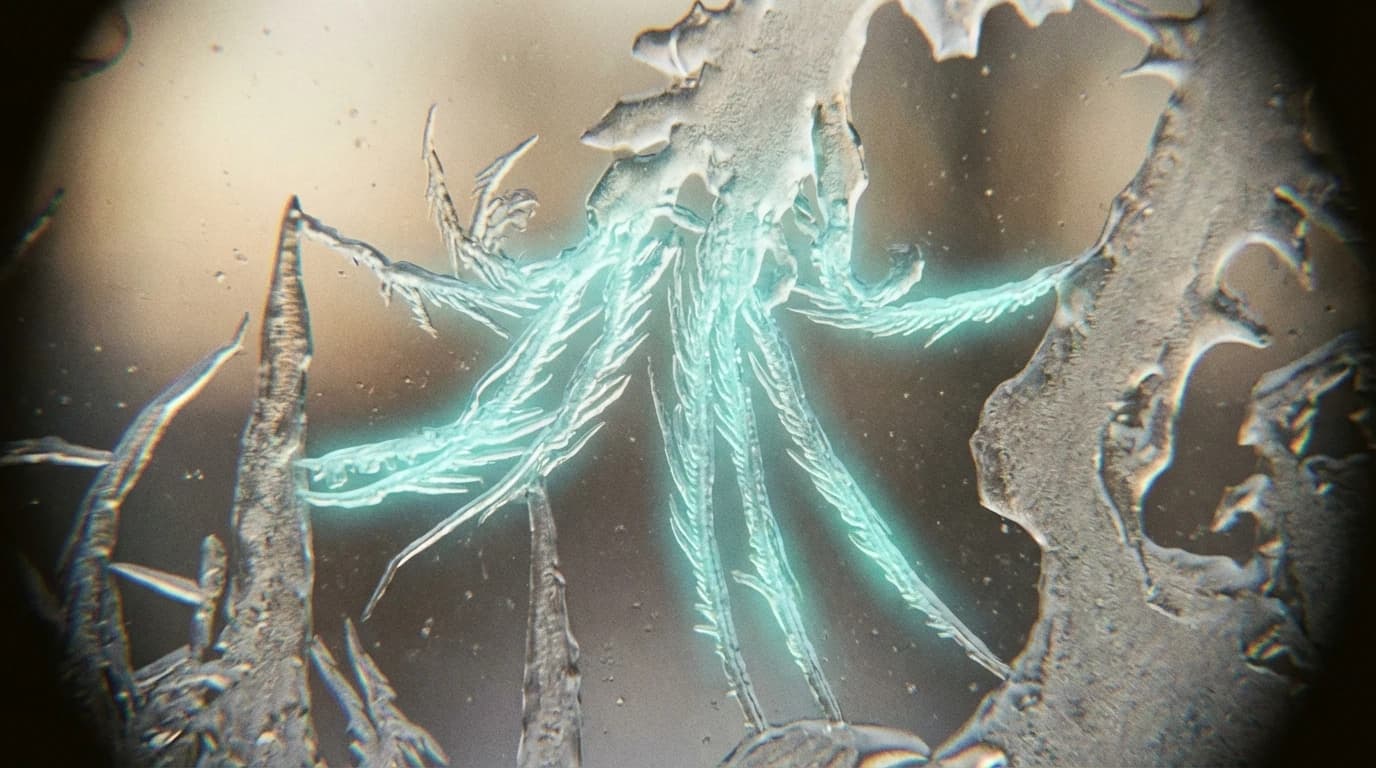
The quest for biological youth often focuses on telomeres, the protective caps at the ends of our chromosomes that shorten as we age. A recent meta-analysis has evaluated TA-65®, a supplement derived from the plant Astragalus membranaceus, designed to activate telomerase and rebuild these caps. By synthesising data from eight randomised controlled trials involving 750 participants, researchers found that the compound does indeed work at a cellular level.
The analysis revealed that TA-65 supplementation induced moderate telomere elongation, a significantly amplified effect in adults over the age of 60. However, the study highlighted a critical 'telomere-function disconnect'. While the cellular biomarkers improved, these changes did not translate into tangible physical benefits. Participants showed no significant improvements in frailty metrics—such as grip strength or walking speed—nor did they see a reduction in inflammatory markers like C-reactive protein.
Furthermore, the source of the data mattered: industry-funded trials reported inflated efficacy compared to independent studies. In terms of safety, the supplement appears generally well-tolerated over a 12-month period, though it is not without mild side effects. Approximately 12.4% of users experienced gastrointestinal toxicity, including nausea and abdominal discomfort. While no short-term severe events or cancer risks were identified, the long-term carcinogenic potential remains unaddressed. This suggests that while we can manipulate cellular ageing markers, translating this into functional health remains a complex challenge.