AI vs Parasites: The New Front in Automated Malaria Diagnosis
Source PublicationSpringer Science and Business Media LLC
Primary AuthorsBranda, Andriani, Lucis et al.
The digital eye
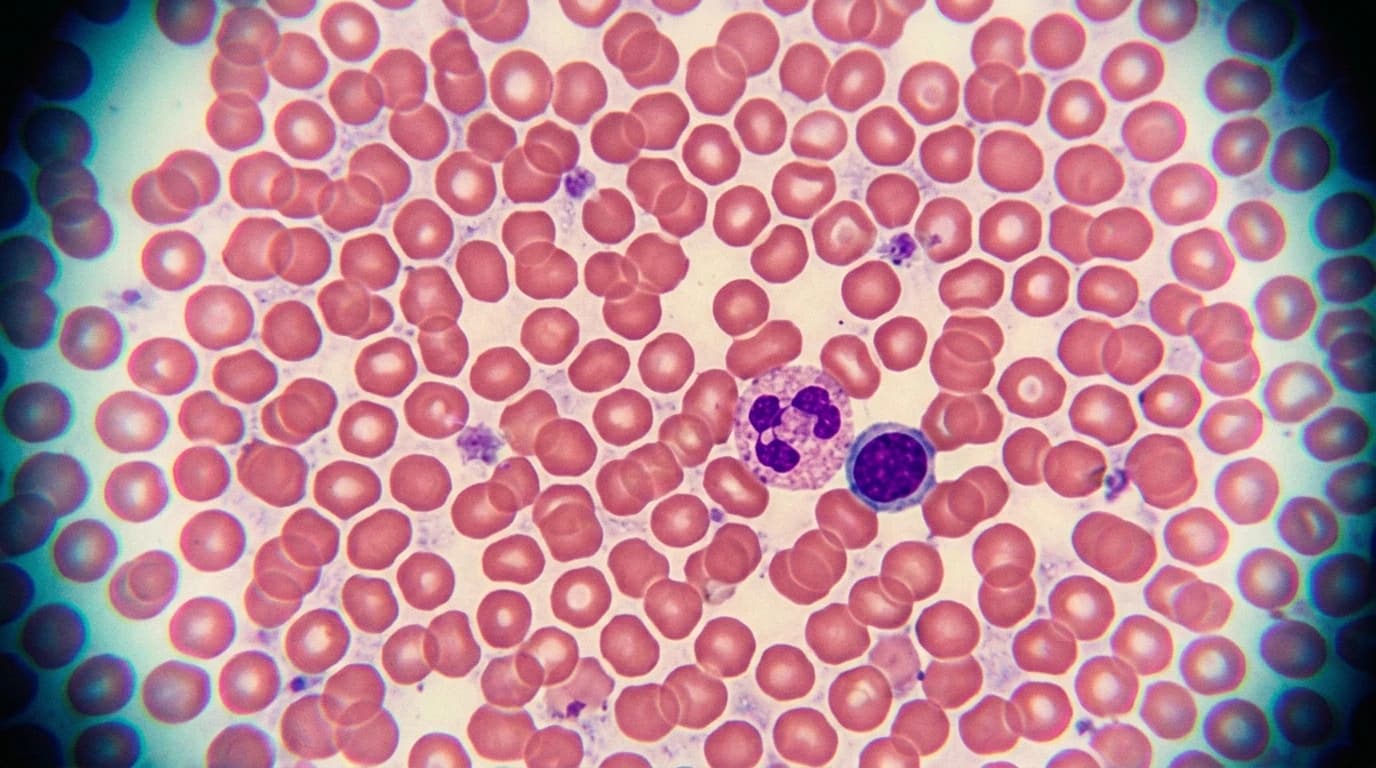
Imagine trying to find one specific person wearing an off-colour shirt in a packed football stadium. That is the daily grind for lab technicians hunting malaria parasites. They spend hours squinting through microscopes at thick blood smears, searching for microscopic invaders that look nearly identical to the untrained eye.
Standard diagnosis is the gold standard but relies on a thin supply of highly trained experts. When clinics are overwhelmed, speed and accuracy suffer. This is where automated malaria diagnosis steps in, aiming to turn a computer into a master microscopist.
Scaling automated malaria diagnosis
In a recent preprint awaiting peer review, researchers tested three different AI "brains" to see which could best identify Plasmodium species. They built these models from scratch rather than using pre-trained templates. The line-up included:
- ResNet-50: A model that excels at spotting local textures and shapes.
- Vision Transformer (ViT): A system that looks at the big picture and contextual relationships.
- A Hybrid: A mix of both styles to capture every detail.
This early-stage research found that ResNet-50 led the pack with 95.7% accuracy. The hybrid model followed closely at 95.2%, while the ViT reached 92.9%. The results suggest that these architectures can effectively distinguish between parasite species using real-world imagery.
The road ahead
While these findings are preliminary, they indicate that AI could soon organise and accelerate diagnosis in resource-limited centres. By automating the tedious task of species identification, healthcare systems may provide faster, more accurate treatment. The next step is validating these models in live clinical environments to ensure they perform consistently across different labs.