Medicine & Health5 March 2026
AI and Nanomedicine Target the Flaws in Photodynamic Therapy
Source PublicationDrug Discovery Today
Primary AuthorsEsmaeilpour, Ghavami, Zarrabi et al.
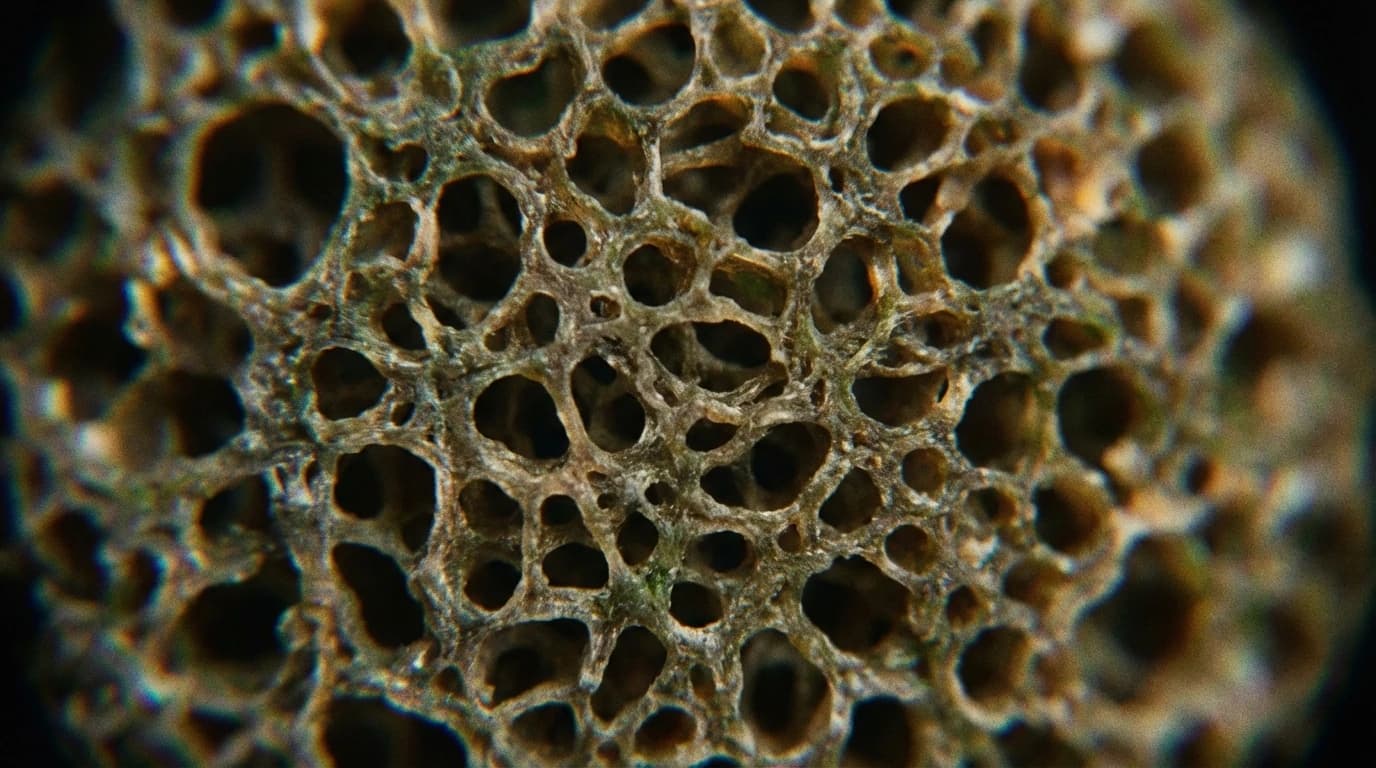
Researchers have proposed a method to combine artificial intelligence with nanomedicine to rescue photodynamic therapy from its primary limitation: tumour resistance. For decades, selectively destroying cancer cells with light has proven exceptionally difficult because tumours adapt by using their own cellular recycling systems to survive the attack.
However, this earlier approach consistently struggled against complex tumours. Delivering the drugs, known as photosensitisers, was frequently suboptimal due to the inherent heterogeneity of the tissue. Furthermore, cancer cells frequently activated autophagy—a cellular waste disposal system—to clear out the damaged components and survive the treatment.
The researchers detail how these nanocarriers can be programmed to modulate autophagic flux. By interrupting the cancer cell's recycling mechanism precisely when the light is applied, the treatment enhances controlled cytotoxicity and overcomes the biological resistance that typically allows the cell to recover.
To manage this biological complexity, the authors propose using artificial intelligence to handle several distinct variables:
By theoretically outlining how autophagy can be deliberately controlled, this proposed framework suggests a vital move away from uniform treatments toward highly individualised, biologically responsive therapies.
The Historical Limits of Photodynamic Therapy
Traditional cancer treatments often flood the body with toxic chemicals, causing severe collateral damage. The older method of using light-activated drugs offered a more targeted alternative by restricting cell death strictly to illuminated areas.However, this earlier approach consistently struggled against complex tumours. Delivering the drugs, known as photosensitisers, was frequently suboptimal due to the inherent heterogeneity of the tissue. Furthermore, cancer cells frequently activated autophagy—a cellular waste disposal system—to clear out the damaged components and survive the treatment.
Engineering a Smarter Attack
In a recent review, scientists outlined a modernised framework that replaces passive drug delivery with active, stimuli-responsive nanomedicine. Instead of simply injecting a photosensitiser and applying light, the new method uses engineered nanoparticles designed to react specifically to the tumour's local environment.The researchers detail how these nanocarriers can be programmed to modulate autophagic flux. By interrupting the cancer cell's recycling mechanism precisely when the light is applied, the treatment enhances controlled cytotoxicity and overcomes the biological resistance that typically allows the cell to recover.
To manage this biological complexity, the authors propose using artificial intelligence to handle several distinct variables:
- Integrating multi-omics data to identify patient-specific cellular targets.
- Designing custom nanocarriers that respond to distinct biochemical triggers.
- Guiding personalised strategies based on how a tumour's autophagy network reacts to light exposure.
What Remains Unsolved
Despite the elegance of this model, the review highlights a conceptual framework rather than an immediate clinical reality. While machine learning can suggest optimal nanoparticle designs based on imaging and multi-omics data, translating these computational predictions into highly selective therapies must still account for the unpredictable, context-dependent role of autophagy in diverse human tumours.A Data-Driven Future for Oncology
If these biological complexities are mapped successfully, integrating artificial intelligence with nanomedicine could alter how oncologists approach resistant tumours. The review suggests that future interventions will rely heavily on algorithmic predictions to match the right nanoparticle with the right patient.By theoretically outlining how autophagy can be deliberately controlled, this proposed framework suggests a vital move away from uniform treatments toward highly individualised, biologically responsive therapies.