A Simpler Routine: How a Once-Weekly HIV Treatment Could Change Lives
Source PublicationNew England Journal of Medicine
Primary AuthorsRockstroh, Ramgopal, Curran Fàbregas et al.
"Taking this new medicine is like using a slow-release watering bulb for a houseplant. Instead of giving the plant a tiny splash of water every single day, you give it one bulb that slowly drips water over seven days, keeping it perfectly healthy with much less daily effort."
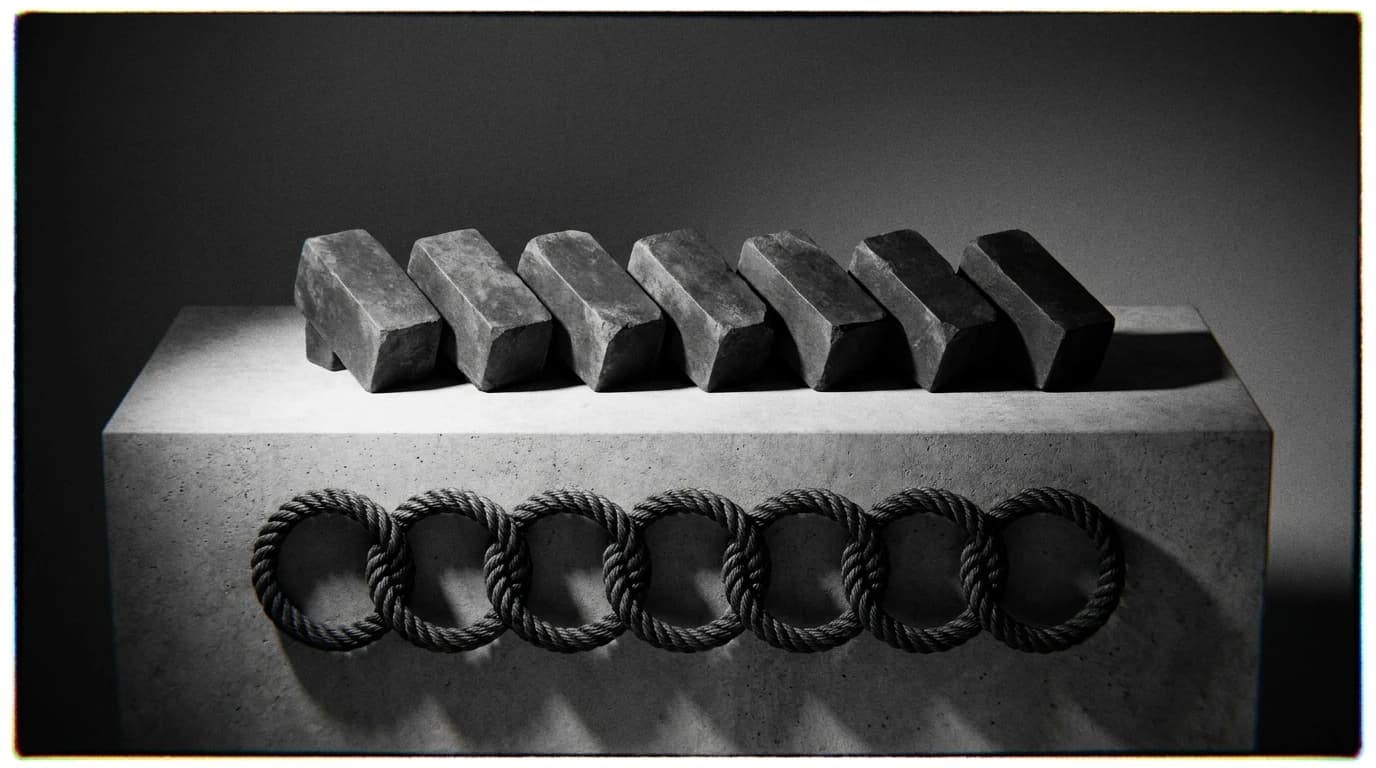
Forgetting a Pill?
Have you ever forgotten to take a vitamin or finish a short course of antibiotics? Remembering to take a pill every single day can be surprisingly hard. Now imagine having to do it every day for the rest of your life to keep a serious virus at bay. That is the reality for people living with HIV.
For years, scientists have worked hard to make HIV manageable. Right now, most people take a daily pill to stop the virus from copying itself. This daily routine is highly effective. However, missing doses can give the virus a chance to fight back against the body's immune defences. What if we could make this routine much simpler?
Testing a Once-Weekly HIV Treatment
Researchers recently set out to see if a once-weekly HIV treatment could replace the daily pill. They ran a massive test called a Phase 3 clinical trial. It included 607 adults across 12 different countries. All of these participants already had their HIV levels completely suppressed by taking daily medication.
The scientists split the volunteers into two groups. Half of them continued taking their standard daily pill. The other half switched to a new combination of medicines, called islatravir and lenacapavir, taken just once a week. To make sure the test was perfectly fair, everyone took a mix of real pills and dummy pills (placebos). This meant nobody knew which group they were in.
How It Works: The Slow-Release Shield
How can a pill last a whole week? Think about watering a thirsty houseplant. You could give it a tiny splash of water every single morning so it does not dry out. Or, you could push a special slow-release watering bulb into the soil just once a week. The bulb slowly drips water out over seven days. The plant stays perfectly green and healthy, but you have much less daily work to do.
The new once-weekly HIV treatment works in a similar way. The medicine stays active in the body for a much longer time. It provides a steady, continuous shield that stops the virus from multiplying. When HIV enters the body, it targets specific white blood cells called CD4 T-cells. These cells act as the managers of your immune system. By keeping the virus blocked all week long, the medicine allows these vital CD4 cells to survive and keep the person healthy.
What the Results Suggest
After 48 weeks, the researchers measured the amount of virus in the participants' blood. The results were incredibly positive. In the group taking the weekly pill, zero people saw their virus levels rise above 50 copies per millilitre. In the daily pill group, only one person did. Both treatments kept the virus completely suppressed.
During the trial, the scientists also closely monitored those important CD4 T-cell levels. They found that both groups maintained strong, stable immune defences. Side effects were low and very similar between both groups.
This study suggests that taking medication just four times a month is just as safe and effective as taking it 30 times a month. A weekly schedule might help patients stick to their treatment programmes more easily. By making medicine fit better into everyday life, doctors hope to help more people stay healthy for years to come.