A New Chromatin Function for Elp1 Uncovered in Fission Yeast
Source PublicationGENETICS
Primary AuthorsNirmal, Pearce, Liu et al.
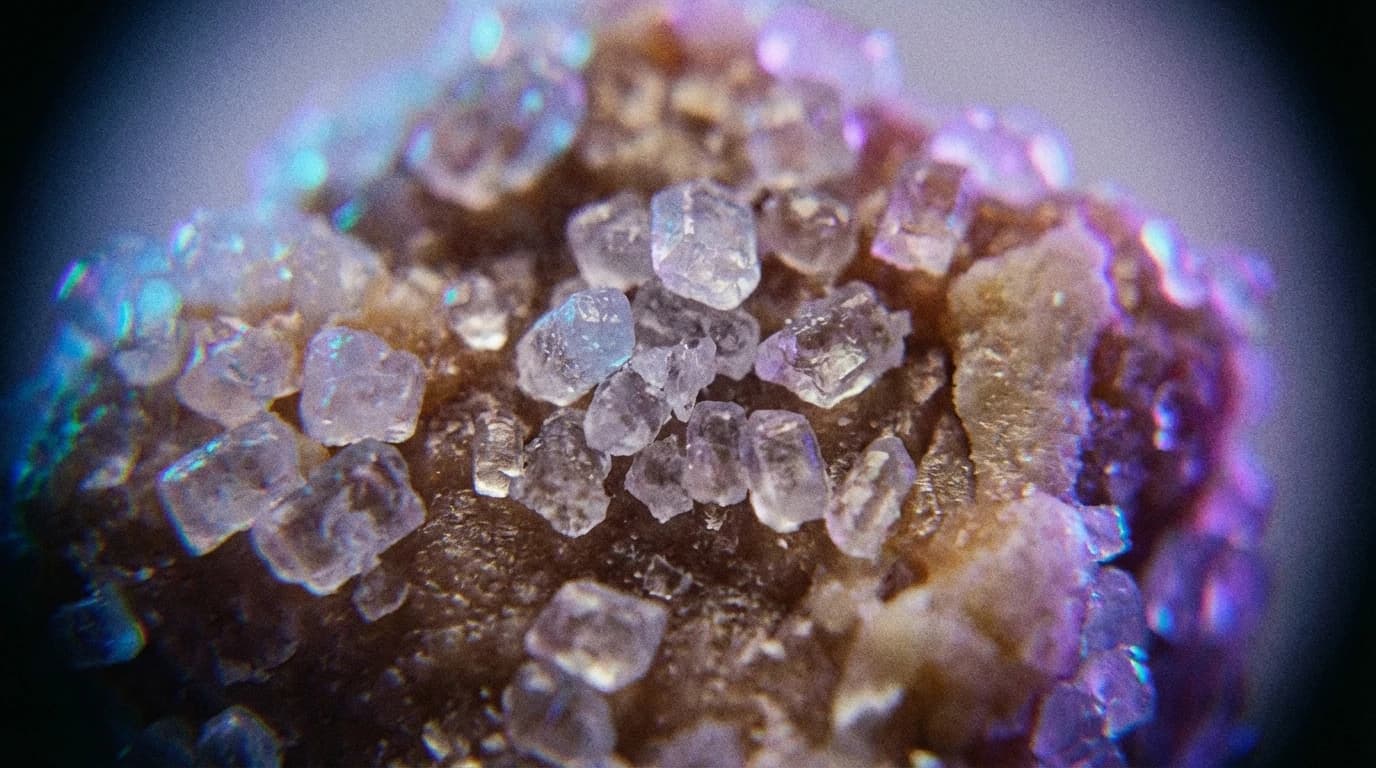
Heterochromatin is a tightly packed form of DNA that acts as a repressive epigenetic state, silencing genes and safeguarding genomic integrity. In the fission yeast Schizosaccharomyces pombe, a specific 'gain-of-function' mutation in RNA Polymerase II (Pol II)—the enzyme responsible for transcribing DNA—disrupts this vital protective packaging. The mutation, located in the Rpb2 subunit, reduces the formation of heterochromatin.
In a surprising twist, researchers found that the heterochromatin defects in this mutant strain rely heavily on Elongator Protein 1 (Elp1). Elp1 is typically part of a complex that modifies transfer RNAs (tRNAs) to aid protein synthesis. However, when the team used CRISPR-Cas9 to delete Elp1, the heterochromatin formation was largely restored. Crucially, this restoration did not happen to the same degree when other subunits of the Elongator complex (Elp3 or Elp5) were removed.
The study demonstrates that Elp1 possesses a distinct function in chromatin biology that acts independently of its canonical tRNA modification role. Instead, this mechanism interacts with core factors of the RNA interference (RNAi) pathway and H3K9 methylation. These findings delineate two opposing Pol II-centric pathways: one that builds protective heterochromatin via RNAi, and another involving Elp1 that negatively regulates it.